
Introduction: Why Start an Organic Garden?
If you’ve ever dreamed of growing your own food free from chemicals and pesticides, you’re in the right place.
Starting an organic garden from scratch may sound intimidating, but it’s simpler and more rewarding than you think. You don’t need acres of land or expensive tools — just the right guidance and a love for nature.
In this complete guide, you’ll learn how to:
- Choose the perfect garden spot
- Grow herbs and vegetables naturally
- Use free organic mulch
- Save water sustainably
- Pick eco-friendly gardening tools
By the end, you’ll be ready to create a thriving, sustainable garden — whether it’s in your backyard, balcony, or even on your windowsill.
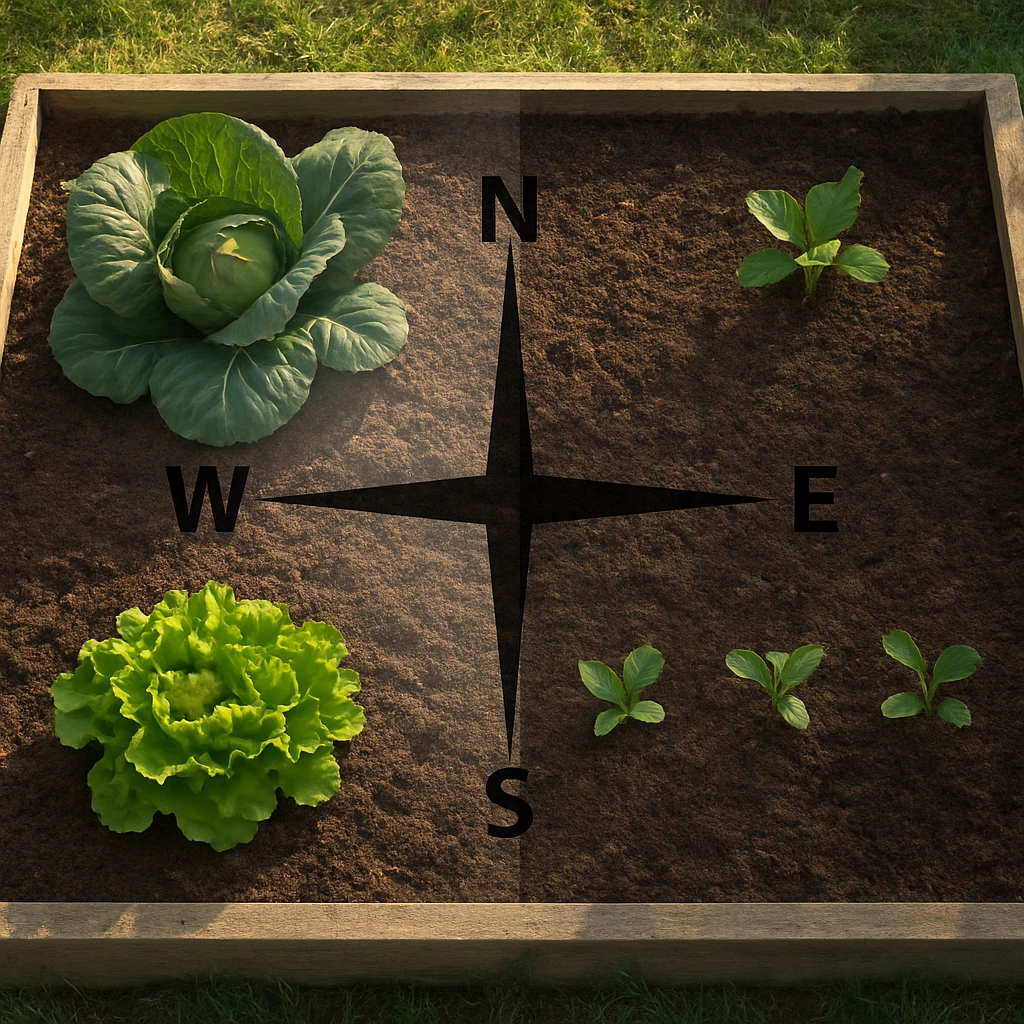
Step 1: Choose the Perfect Garden Location
The foundation of every organic garden is location.
Your plants need the right mix of sunlight, airflow, and soil health to thrive.
Tips for the best garden spot:
- Choose an area with 6–8 hours of direct sunlight daily.
- Avoid locations where water puddles after rain.
- Make sure your garden has good air circulation.
Even if you live in an apartment, you can still grow a garden.
Try Container Gardening for Small Spaces — it’s one of the easiest ways to get started.
Step 2: Start Small with Container Gardening
Container gardening lets you grow food anywhere — balconies, patios, or rooftops.
You’ll control your soil quality, reduce pests, and move plants to follow the sun.
Best containers for beginners:
- Clay pots or fabric grow bags
- Wooden boxes or recycled containers
- Buckets with drilled holes for drainage
Learn more in Container Gardening for Beginners.
Step 3: Grow Herbs Organically
Herbs are the heart of every organic garden.
They’re easy to grow, save you money, and fill your space with fragrance.
Start with simple herbs like basil, mint, thyme, or oregano.
Feed them naturally using compost or kitchen scraps — no chemical fertilizers needed.
Discover how in Growing Herbs the Organic Way.
Step 4: Use Free Organic Mulching
Organic mulch keeps your soil cool, moist, and nutrient-rich — all for free.
DIY mulch materials:
- Dried leaves and grass clippings
- Shredded paper or newspaper
- Bark chips or coconut husk
Mulch helps regulate soil temperature, conserve water, and prevent weeds.
Learn how in Organic Mulching for Free — Step-by-Step
Step 5: Water the Green Way (Sustainable Gardening)
Water wisely — organic gardening is also about eco-responsibility.
Smart watering practices:
- Water early in the morning or late afternoon.
- Collect rainwater in barrels or buckets.
- Use drip irrigation or self-watering planters to reduce waste.
Explore more eco-friendly methods in Green Watering Techniques.
Step 6: Essential Tools for Organic Gardeners
You don’t need fancy equipment to grow organic.
Start with a few eco-friendly tools made from recycled or durable materials.
Must-have beginner tools:
- Garden trowel and hand fork
- Gloves and pruners
- Watering can
- Compost bin or shovel
Learn what to use and where to find them in The Tools Every Organic Gardener Needs.
Step 7: Proven Organic Gardening Tips for Beginners
Once your garden is planted, it’s all about maintenance — the organic way.
Top organic gardening tips:
- Rotate your crops every season.
- Use companion planting (for example, basil with tomatoes).
- Make your own compost to feed the soil.
- Avoid chemicals — go natural with neem oil or compost tea.
See more techniques in Top Organic Gardening Tips for Beginners.
Step 8: Enjoy the Process — Gardening is Growth
Organic gardening is more than a hobby — it’s a lifestyle of patience, balance, and care.
Celebrate every sprout, leaf, and bloom. Keep learning, composting, and sharing your harvest with others.
Each season teaches you something new about nature — and yourself.
Wrapping Up: What’s Behind Gardening
Behind every garden is a story — of growth, care, and connection.
By going organic, you’re choosing sustainability, health, and respect for the Earth.
It’s not just about growing food. It’s about growing purpose.
Want to Learn More?
If you’re ready to go beyond the basics — from composting hacks to pest-free gardening — my eBook Organic Gardening Tips will guide you every step of the way.